
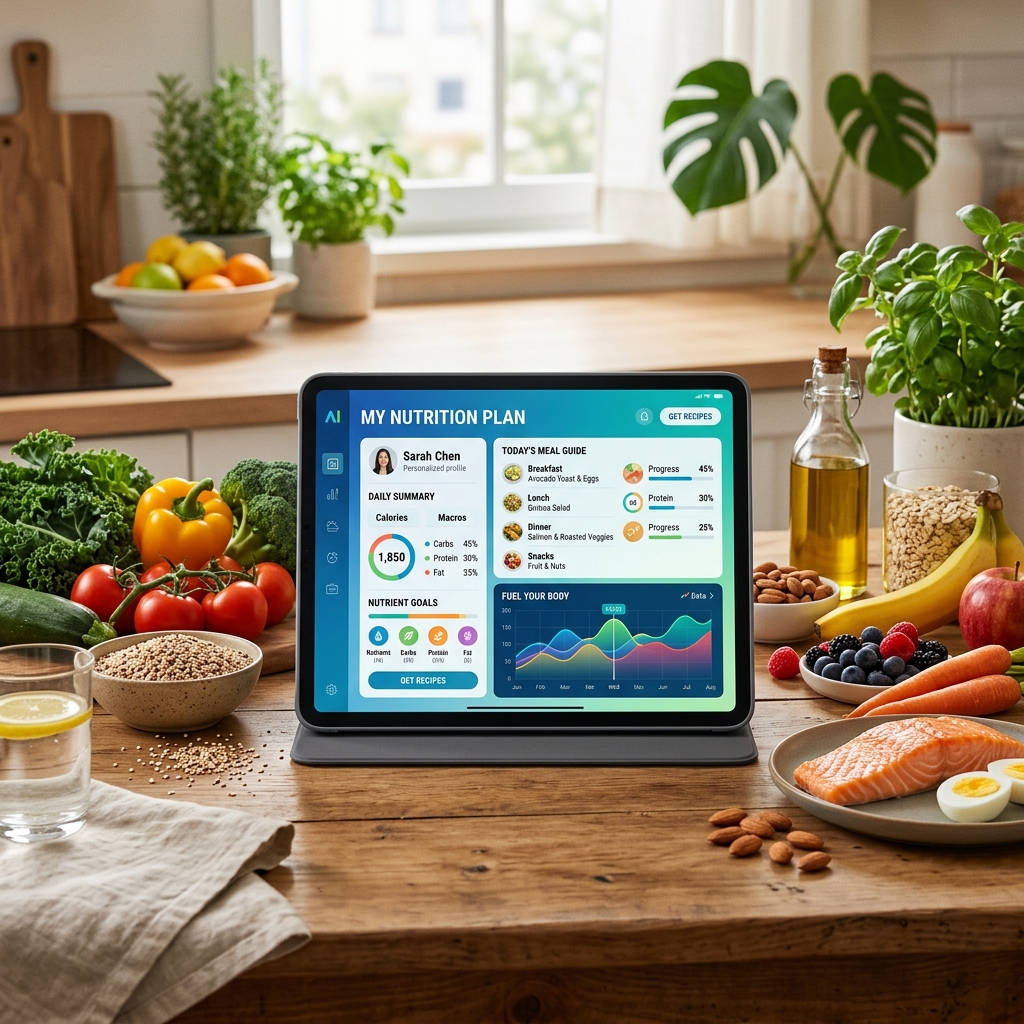
Standardized diets often fail to yield consistent results because human metabolisms, genetics, and lifestyles vary drastically. Personalized nutrition addresses this biological diversity by tailoring dietary recommendations to the specific needs of an individual. Instead of relying on generalized food pyramids or broad caloric targets, a personalized approach evaluates unique biomarkers and daily habits. This strategy ensures that the body receives the exact macronutrients and micronutrients required for optimal functioning. Historically, crafting these highly individualized plans required dozens of hours of manual analysis by dietitians. Today, advanced technologies are streamlining this complex process, making bespoke health strategies accessible to a much broader audience.
The Role of AI in Dietary Planning
Artificial intelligence fundamentally accelerates the formulation and adaptation of dietary plans over time. AI platforms ingest massive datasets, including blood test results, continuous glucose monitor readings, and self-reported dietary logs, to identify hidden nutritional patterns. Machine learning algorithms process this vast array of information in seconds, outputting a highly calibrated meal plan that aligns with an individual’s specific metabolic profile. As a person progresses and logs new data, the artificial intelligence continuously refines the nutritional recommendations. This dynamic capability makes sure the diet changes with the user, avoiding plateaus and adjusting to natural physiological changes over time.
Key Components of AI-Driven Nutrition
Several critical elements work together to power AI-driven nutrition platforms. The system relies on secure data collection methods, often integrating with wearable health devices and smart scales to gather real-time physiological metrics. Natural language processing algorithms also play a crucial role by allowing users to casually log their daily meals through text or voice, which the system then translates into precise nutritional data. Predictive analytics form the core computational engine, assessing current health trajectories to forecast future nutritional requirements. Together, these components create a seamless ecosystem where data flows from the user to the artificial intelligence, leading to immediate, actionable dietary adjustments.
Benefits for Individuals and Professionals
For the everyday user, AI-powered nutrition removes the guesswork and mental fatigue associated with meal planning. Individuals receive precise portions and recipe suggestions that fit their exact lifestyle, reducing the likelihood of nutritional deficiencies or unsustainable eating habits. For healthcare professionals, artificial intelligence acts as a powerful analytical assistant rather than a replacement. Dietitians and nutritionists use these platforms to manage larger client rosters without sacrificing the quality of care. The algorithms manage the intensive computational tasks of macro-tracking and pattern recognition, allowing professionals to concentrate on the psychological and behavioral coaching aspects of dietary intervention.
Future Trends in AI Nutrition
The intersection of artificial intelligence and nutrition will soon expand into highly predictive and preventive healthcare territories. Future algorithms will likely work well with genomic sequencing, comparing a user’s DNA with real-time microbiome analyses to recommend foods that improve gut health at a cellular level. Smart home integration will also become standard, where AI nutrition platforms communicate directly with smart refrigerators and grocery delivery services to automatically procure the exact ingredients needed for the week. This level of automation will practically eliminate the friction of grocery shopping and meal preparation, cementing personalized nutrition as an effortless component of daily life.
Embracing the Future of Dieting
Artificial intelligence is undeniably shifting the paradigm of health and wellness by making truly personalized nutrition both scalable and precise. By continuously analyzing individual data points, AI platforms offer a level of dietary customization that was previously impossible to maintain. As these technologies become more integrated into everyday devices and professional healthcare settings, they will automate the process of achieving a balanced diet, making it a highly data-driven experience. Taking advantage of these advanced tools today can lead to better health outcomes, deeper metabolic insights, and a more sustainable approach to lifelong wellness.
FAQs
1. What is an AI nutrition plan, exactly?
An AI nutrition plan is a dietary strategy generated by machine learning algorithms that analyze your specific health data, lifestyle, and goals to provide highly customized meal recommendations.
2. How does artificial intelligence know what I should eat?
Artificial intelligence determines your optimal diet by processing inputs such as your age, weight, activity level, medical history, and sometimes even real-time data from wearable fitness trackers.
3. Can AI replace a human dietitian?
Artificial intelligence does not replace human dietitians; instead, it serves as an advanced tool that helps professionals analyze data faster, allowing them to focus more on counseling and behavioral support.
4. Is my health data secure with AI nutrition apps?
Reputable AI nutrition platforms utilize robust encryption and comply with stringent healthcare data protection regulations to ensure that your personal physiological data remains completely confidential and secure.
5. How quickly does the AI adjust my diet?
Most advanced AI nutrition systems adapt your dietary recommendations in real-time or daily, based on the new data you log regarding your meals, weight fluctuations, and physical activity levels.