
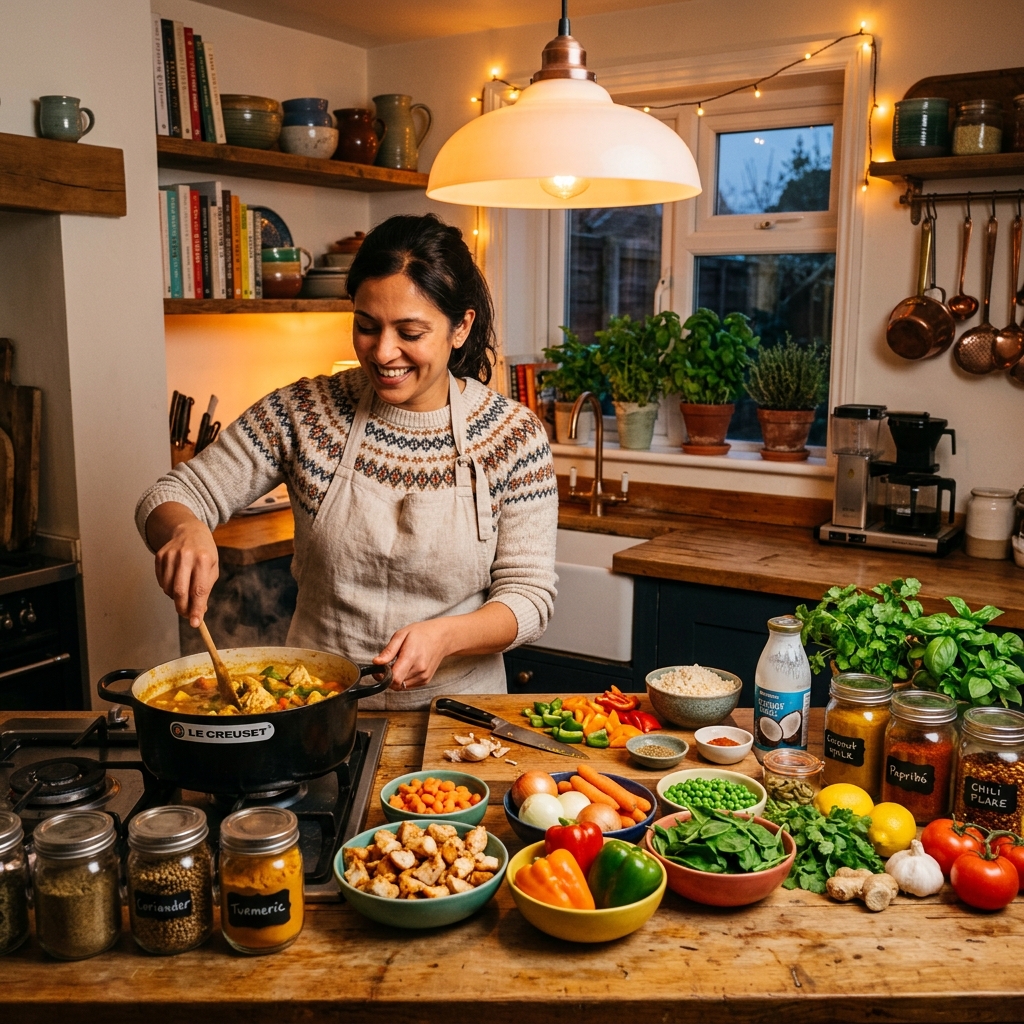
Kitchen tiredness often follows opening the refrigerator to see plastic containers. Many home cooks struggle with batch cooking or large dinners because eating the same cuisine for three days gets boring. Food fatigue is a major issue, causing family food waste. When meals get routine, valuable items are typically composted or thrown away.
Breaking this loop requires a major mindset shift. View such containers as pre-cooked, pre-chopped ingredients ready to be used in a new recipe rather than entire meals that must be reheated. Roasted chicken provides the base for enchiladas, salads, and noodle soups, not simply Sunday dinner.
This method involves basic cooking skills, a bit of experimentation, and effective storage. Home cooks may save money, minimize their environmental impact, and create innovative weekly menus by transforming ingredients. This guide covers ingredient repurposing to maximize kitchen efficiency and flavor.
Innovative Leftover Recipes
Start by breaking down leftovers into their nutritional components to find new cooking uses. By separating proteins, carbs, and veggies, you can mix them in new ways. Flaked baked salmon with asparagus and potatoes may be integrated into a lively morning frittata or mixed with breadcrumbs and herbs to make savory salmon patties. Deconstruction removes the flavor memory of the original dish, letting you taste the ingredients again.
Sauces and sauces are the best disguise for recycled ingredients, drastically changing flavorsflavor. The same baked salmon tastes different when glazed in a fiery teriyaki glaze and served on rice noodles versus a creamy dill sauce and a crisp green salad. Keeping a rotation of powerful, homemade sauces in your fridge lets you quickly change the cultural flavor profile of your remaining foods.
Texture modification helps minimize meal repetition weariness. With vegetable broth and cream, yesterday’s roasted root vegetables can be blended into a silky, rich soup. You may also mash them, make little cakes, and pan-fry them until crispy and golden brown. Changing the texture of food makes it taste fresh.
Maximizing Taste, Minimizing Waste
To maximize flavor and minimize waste, use every food element as a resource. Complex, flavorful stocks and broths can be made from vegetable peels, herb stems, and meat bones. A freezer container for these scraps turns rubbish into the base for soups, risottos, and braises. This method removes every last drop of taste from your groceries before disposal.
When reheated food seems bland, acid is often missing. A splash of fresh lemon juice, high-quality apple cider vinegar, or a tablespoon of vivid pickled red onions will revive a day-old dish. Reheating food dulls its brightness; thus, adding an acidic element before serving restores culinary harmony. This simple touch makes the food taste fresh and intentional rather than recycled.
Strategic seasoning can revive aging ingredients. Tossing roasted veggies in a robust, smokey spice blend like smoked paprika and cumin before adding them to a black bean chili thickens and hides visual flaws. Bold spices protect the food from flavor loss and prevent waste due to imperfect appearance.
Ingredient Transformation: Beyond Repetition
Transforming ingredients involves forcefully incorporating a food from one cuisine into another. Leaving the sweet sauce behind and crisping the pulled pork in a hot skillet with soy sauce, ginger, and garlic may transform leftover American barbecue pulled pork. Now, the barbecue staple can fill steamed bao buns or top a fragrant bowl of ramen. This regional flavor shift eliminates the sensation of eating the same food repeatedly.
A culinary vessel is essential for breaking repetition. Tortillas, pita bread, pie crusts, and large leafy greens can hold leftovers. A cup of leftover chili and a scoop of rice may look unappealing, but a chimichanga is made by wrapping them firmly in a flour tortilla with fresh cheese and baking until crispy. These dishes make it easy to combine ingredients into a handheld meal.
Baking is another excellent way to convert leftover vegetables and dairy. Wilting spinach, the remains of a block of cheddar, and half a bell pepper make a tasty muffin batter or quiche. The random ingredients form a tasty, coherent matrix during baking. This strategy employs small, convenient amounts of food and produces easy, grab-and-go breakfasts for the following days.
Smart Storage Maintains Freshness
Ingredient longevity and usability depend on smart storage. Temperature control and air reduction are the most important variables in keeping cooked food fresh. Using high-quality, airtight glass containers reduces food oxidation and refrigerator odors. When foods keep moisture and color, you’re more likely to cook with them again.
Keeping meal components separate is essential. Though ideal for rapid reheating, storing pasta in its sauce limits your options and guarantees mushy spaghetti the next day. You may use the sauce as a base for a robust vegetable stew and the plain cooked pasta for a cold salad tomorrow by storing them separately. Isolating components protects structural integrity and culinary versatility.
Labeling and visual arrangement prevent containers from slipping into the back of the refrigerator and being found weeks later. Labeling containers with their contents and cooking dates with masking tape provides an ingredient consumption schedule. Putting the oldest items at the front of the shelf makes them the first things you see and use, automatically leading your zero-waste meal planning.
Plan Ahead for Easy Meals
Planning ahead entails designing initial meals with future changes in mind. Roasting a chicken slightly larger than necessary on Sunday ensures you’ll have enough high-quality protein for Tuesday’s chicken salad and Thursday’s pasta dish. This deliberate technique converts leftovers into a strategic asset rather than an incidental outcome of overcooking.
Easy meal preparation relies on bulk cooking neutral base carbs. Starting the week with a large pot of plain quinoa, brown rice, or farro creates a blank canvas for any taste profile. That rice can be served with a spicy curry on Monday, mixed vegetables and eggs on Wednesday, or a Mediterranean-inspired grain bowl on Friday. Due to its neutrality, carbohydrates never dominate the dish.
Strategic grocery shopping helps you plan by ensuring you have transitional components on hand. Keep a variety of fresh herbs, cheeses, and tortillas or wraps on hand so you never have to stare at cooked ground beef without a plan. Transitional ingredients connect your leftovers into a delicious new entrée.
Global Ideas for Leftovers
Drawing inspiration from foreign cuisine provides limitless ways to use leftover ingredients. The Italian notion of minestrone has traditionally had fresh vegetables, beans, and tiny amounts of pasta. This philosophy lets you clear out your vegetable crisper drawer by boiling everything in a rich tomato broth with a Parmesan rind for depth.
Asian cuisine has great ways to use cold rice and a small amount of protein. Fried rice is the most popular and successful technique to use day-old grains since the mild dehydration improves the texture. A few leftover shrimp, frozen peas, and a scrambled egg make ordinary carbs a popular dinner. Spring rolls made with various proteins and crisp veggies use modest amounts of food in a beautiful display.
Mexican cuisine excels in using modest amounts of strongly seasoned meats. An insufficient half-cup of shredded beef can fill a tray of crispy taquitos or a large, sharing platter of nachos. Chilies, cilantro, and lime give the food powerful tastes that enhance any protein.
Practicing Reinvention
Reinvention entails abandoning recipes and trusting your culinary instincts. Recipes help you learn techniques, but using specified, random amounts of materials might inhibit originality. Learn flavor affinities like tomatoes and basil and mozzarella or pork and apples and sage to design recipes naturally based on what needs to be consumed.
Hashes are the pinnacle of this innovation. In a heated cast-iron skillet, chop and sear almost any cooked vegetable, roasted potato, or savory protein. The strong heat caramelizes food edges, adding deep, delicious flavors. A cooked egg on top of the skillet makes a rich, self-saucing dinner that seems purposeful and fulfilling.
Frittatas and stratas share reinvention purposes. A strata, which combines old bread, eggs, milk, and other savory elements, uses imperfect ingredients. The stale bread absorbs the custard, while the vegetables and cheese are evenly distributed throughout. This method shows that some substances improve the second time around.
Building a Flexible Leftover Pantry
A multipurpose leftover pantry powers ingredient changes. Without a well-stocked pantry, simple roasted squash is just that. If you have exceptional coconut milk, red curry paste, and fish sauce, that squash becomes a rich, nuanced Thai curry. The pantry gives taste catalysts.
This effort requires canned products. A small quantity of leftover meat or vegetables can become a family-sized stew using canned beans, diced tomatoes, and rich stocks. Simmering a little piece of leftover sausage with a can of white beans, chicken stock, and wilted greens creates a hearty, peasant-style dinner that feels purposeful and comfortable.
Dry spices and condiments are the cheapest way to diversify your cooking. With a complete spice rack, you may direct your cuisine. Smoked paprika, garam masala, and a powerful chili powder blend bring a dish to Spain, India, and the American Southwest. These dry goods have a lengthy shelf life and are the easiest way to change base ingredients.
Sustainable, Tasty Eating
Learning to manage kitchen resources leads to sustainable eating. You dramatically cut agricultural system demand and landfill methane emissions by using every ingredient you buy. This shows that environmental stewardship in the kitchen doesn’t have to sacrifice flavor; it frequently requires more culinary ingenuity, resulting in more delectable dishes.
Financially, this method is also beneficial. Spreading a shopping purchase across numerous meals drastically cuts your weekly food budget. Stopping tossing that final quarter of a cooked chicken or those three potatoes saves you money.
Mastering ingredient metamorphosis gives home cooks profound delight and confidence. Using a variety of containers from the fridge to make a restaurant-quality lunch is fun. It turns cooking into a creative challenge, making every dish delicious and unique.