
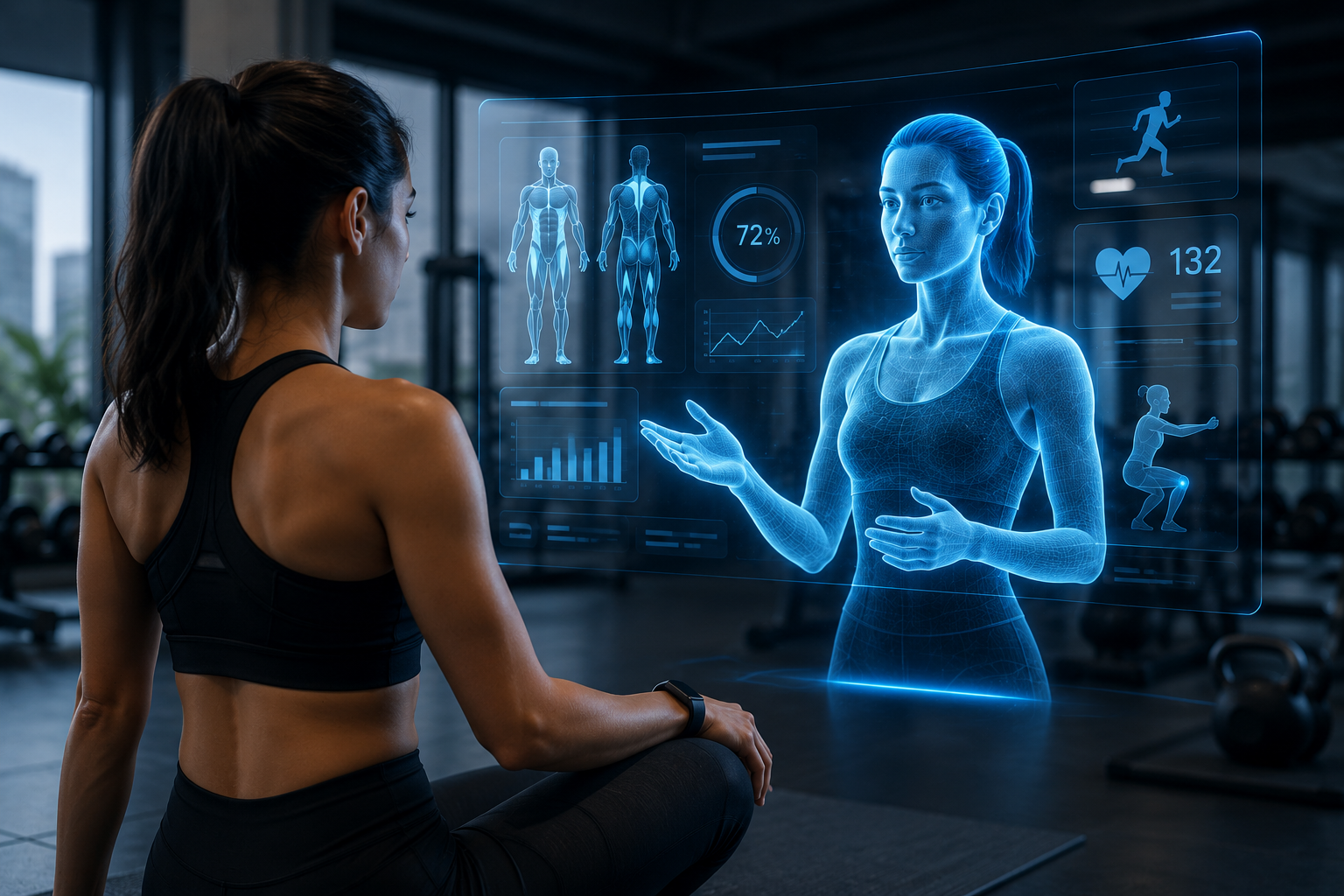
Technological advancement is changing our view of physical health and well-being. Most fitness programs are based on general advice or sporadic appointments with personal trainers, which are often expensive and difficult to schedule. Artificial intelligence is changing the landscape by bringing expert guidance directly to our smartphones and wearables.
These digital fitness coaching platforms utilize vast amounts of personal health data to create personalized fitness programs. They can adapt in real time and continuously learn from user input, movement patterns, and recovery rate. This means that users no longer need to worry about the effectiveness of their current workout or about overtraining. Insight into the applications of these digital coaches reveals a major transformation in the wellness industry. By applying machine learning to daily physical activity, people of all fitness levels can train more scientifically, prevent injuries, and achieve their fitness goals with astonishing precision.
The Evolution of Fitness Coaching
The field of fitness coaching has undergone a dramatic transformation over the past few decades. In the beginning, training was primarily based on general fitness publications and mass-produced fitness videos, which offered generic wellness programs. Later, boutique gyms and the personal training industry flourished, offering personalized guidance to those who could afford it. Today, machine learning algorithms are democratizing this expertise by analyzing decades of data from exercise science, thereby providing direct personalized guidance to consumers. This development marks a shift in training methods from static, general instructions to dynamic, data-driven systems that continuously adapt to the user’s needs.
Personalized Training with AI
Generic training schedules do not take into account individual physiological differences, injury history, or variations in energy levels. Artificial intelligence platforms address this by processing specific variables such as a user’s resting heart rate, sleep quality, and previous training performance. The software then compiles an accurate daily training schedule based on the user’s current physical condition. For example, if a user did not get enough sleep the previous night, the platform can automatically adjust intensive strength training to less intensive flexibility training. This personalization means that every minute of your workout is optimized to maximize effectiveness and minimize fatigue.
Instant Feedback and Performance Monitoring
One of the biggest benefits of digital guidance is that you gain immediate insight into your training progress. The software can use a smartphone camera for computer vision analysis or the built-in motion sensors of wearables to track body posture during movements. For example, if a user arches their back during a deadlift or does not squat deep enough, the device quickly provides auditory or visual feedback to correct the posture. This continuous feedback loop simulates close monitoring by a professional coach, ensuring movements are performed safely and efficiently.
Injury Prevention and Recovery Methods
The most common causes of injuries in the gym are overtraining and poor biomechanics. Digital guidance systems can monitor maximum training load and detect injuries before unsafe movement patterns cause them, thereby reducing these risks. The software can also measure joint angles and track the total weight lifted over a specific period to identify potential stress points. The platform then recommends rest days or specific active rehabilitation therapies, such as targeted stretching exercises or foam rolling, to maintain the proper functioning of the musculoskeletal system.
AI-based Nutritional Advice
When it comes to sports, fitness is only half the battle. A good diet is crucial for providing energy for workouts and muscle recovery. Advanced algorithms combine tracking your nutrition with your energy expenditure during exercise to provide a complete nutrition plan. They analyze your metabolism and dietary preferences to tell you exactly which macronutrients you should consume in the right proportions. As your body composition changes, the software automatically recalculates calorie requirements, creating a seamless and highly accurate sports nutrition plan.
Digital Coaches: Convenience and Affordability
Most people cannot afford the costs of a certified personal trainer, which typically amount to hundreds of euros per month. Digital fitness services, usually subscription-based, cost only a fraction of what traditional trainers charge. These apps run on smartphones and smartwatches, giving users access to their personalized training plans anywhere in the world. This widespread availability breaks down economic and geographical barriers, allowing more people to benefit from the advantages of well-structured, scientifically based training programs.
Limitations and Challenges of Digital Training
Machine learning has made significant progress in healthcare, but some limitations remain. Digital platforms cannot provide the emotional and psychological support that human coaches offer during intensive training sessions. Computer vision algorithms can sometimes misinterpret movements due to poor lighting or camera angles. Data privacy is also a major issue. These platforms collect highly sensitive health data, requiring robust security measures to prevent unauthorized access.
Human-Machine Collaboration in Fitness
In the future, the best approach to physical training will likely be a combination of digital precision and human empathy. Fitness professionals are increasingly using these computer technologies to manage a broader client base and monitor more specific metrics, allowing them to focus on motivation and psychological support. In this collaborative model, software handles the heavy task of data analysis and program adjustments, while human coaches provide accountability, emotional support, and detailed lifestyle guidance.
Leading the Next Generation of Fitness Trends
The combination of intelligent algorithms with physical training opens up unprecedented possibilities for improving health. These solutions enable people to train safely and effectively by combining highly personalized training plans with real-time feedback. As technology continues to evolve, users of these data-driven solutions can expect better results and greater sustainability in their fitness journey. Perhaps the best way to reach your full potential is to take the time to explore a digital coaching platform and integrate it into your daily training.
FAQs
1. What is an AI-driven fitness coach?
An AI fitness coach is a computer program that uses machine learning to create personalized training plans based on the user’s biometric data, monitor posture, and provide health advice.
2. How does this app monitor my posture during my workout?
These platforms typically use motion sensors in smartphone cameras or wearable devices such as smartwatches. Using computer vision technology, they analyze your body’s biomechanics and provide quick corrective advice.
3. Can a computer coach replace a personal trainer?
Digital platforms excel in data analysis and programming, but they cannot replace the emotional support, complex problem-solving skills, motivation, and accountability of a personal trainer.
4. Are these apps safe regarding the protection of my personal health data?
Most reputable platforms use strong encryption and adhere to current data protection regulations. However, users are always advised to consult the app’s privacy policy to understand how their health data is stored and used.
5. Are these platforms suitable for absolute beginners?
Yes, these digital systems are very flexible and can be adapted to any fitness level. As a result, they are an excellent tool for beginners who need structured guidance to safely learn the basic principles of proper exercise.