
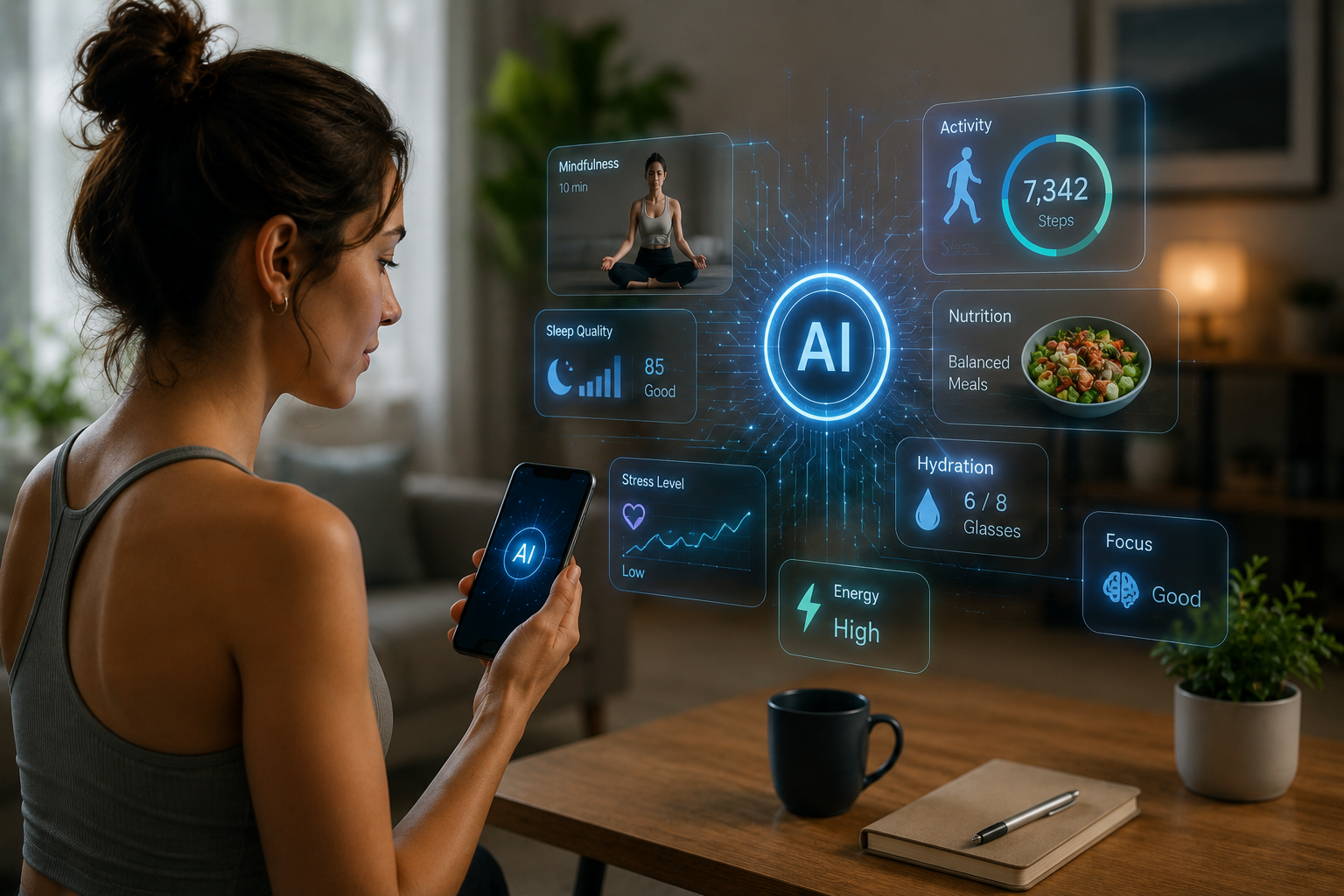
AI can assist with your weight management by developing plans designed just for you, making the entire journey simpler. Wellness AI comes with some risks. Privacy issues and bias in data can result in inaccurate recommendations that disproportionately impact certain groups, while over-reliance on data can turn self-care into a performance indicator rather than an act of relaxation.
1. Personalized Meal Planners
AI-powered health solutions provide more tailored wellness tips, taking individual factors like genetics, lifestyle habits, and medical history into consideration. These apps make an impressive statement of self-care. An AI meal planner such as ChatGPT can be extremely useful in designing meals to suit your dietary needs, preferences, cooking abilities, and any allergies or restrictions that exist—giving you access to tailored recipes and meal plans tailored specifically for you!
As for exercise, an AI fitness coach can tailor an exercise regime specifically to your goals (for instance, weight loss or muscle building), injury limitations, and equipment availability.
2. Fitness Apps
There is an array of fitness apps out there, ranging from tracking your pickleball scores to developing personalized workout plans. Some like PUSH even take the initiative in this regard by asking about your goals and limitations before providing an ideal program just for you.
Other apps like JEFIT offer extensive exercise databases and can track your progress over time. In addition, these apps include personal reminders such as “keep chest up” for squats or “squeeze shoulder blades” when performing rows in order to help ensure proper form when exercising; such reminders could make all the difference when it comes to avoiding injury.
3. Preventive Health Care
Preventive health care reduces the risk of disease and disability, yet millions of adults fail to follow recommended services. Artificial intelligence can assist those pursuing wellness programs by offering reminders and nudging.
AI can also detect warning signs such as skin cancer early, helping people take steps before it is too late. Just keep in mind that AI-generated advice may only be accurate if trained using data representative of you—otherwise recommendations may be biased or even harmful! For best results, seek real personalization that takes into account caregiving responsibilities, financial constraints, cultural traditions, and other considerations.
4. Reminders
AI technology powers many popular navigation apps like Google Maps and Siri. Alexa voice assistants as well as spam filters in email accounts and more. You’ll even see it used to remind people to drink water or take medications, like reminder nudges.
Use of AI as a personal wellness coach requires informed consent, transparency, and accountability—it should never replace in-person professionals such as personal trainers, counselors, or coaches.
6. Stress Management
Stress is an inevitable part of life, but it can seriously harm physical and emotional well-being. Understanding your stressors and learning healthy coping mechanisms are the keys to effectively managing it.
When your heart rate monitor detects signs of atrial fibrillation, it may alert you to seek medical advice immediately, and AI wellness apps may suggest meditation techniques and relaxation exercises to ease anxiety. You have more control than you realize over managing stress.
7. Sleep Tracking
Sleep has numerous health advantages, yet many individuals struggle to get enough restful Zs. AI wellness programs can assist by tracking sleep patterns and offering tailored advice to improve the quality of restful sleep.
There are various wearable trackers you can wear on your wrist or head, like smartwatches and fitness bands; physical devices slipped under a mattress may detect snoring, while heart rate, body temperature, and breathing patterns can all be measured using these trackers. Stay mindful that sleep trackers aren’t foolproof—if you overanalyze nightly data, you could become anxious and find it harder to fall asleep.
8. Mental Health Support
Artificial intelligence systems utilize large datasets to identify patterns in which they can make predictions or decisions without being explicitly programmed for every scenario, like navigation apps, personalized shopping recommendations on shopping sites, and spam filters in your email inbox.
Wellness AI can track your heart rhythm, sleep patterns, and stress levels to detect early warnings of burnout and offer tips for self-care. These tools also offer meditation, yoga, and breathing exercises tailored to mood signals and energy levels—but cannot replace professional mental health guidance or good judgment.
9. Dietary Recommendations
AI can assist individuals in making healthy lifestyle choices—be it fitness, mental health support, nutrition, or any other related service. However, the vast array of misinformation related to diet can make it challenging for individuals to make an informed decision.
This study addresses the challenge of personalized diet advice through machine learning (ML)-based recommendation systems by employing a novel set of loss functions to align deep networks with nutritional guidelines. This model provides meal plans to meet user profiles and preferences while meeting daily nutrient needs; additionally, it takes into account local cuisine choices, seasonality, and validated rules regarding food group criteria and diversity.
10. Self-Care Activities
Rest and screen-time restrictions have long been acknowledged as effective stress reducers that can help foster resilience, while yoga practice provides flexibility, combats anxiety, and helps ease tension.
But when focused solely on tracking and optimizing, tracking can lead to disconnection from internal cues such as hunger, intuition, pleasure, and authentic rest. Wellness becomes just another performance metric, which leads to stress and overwhelm; equity-aware design must therefore play as much of a role in designing wellness as any AI tool can.