
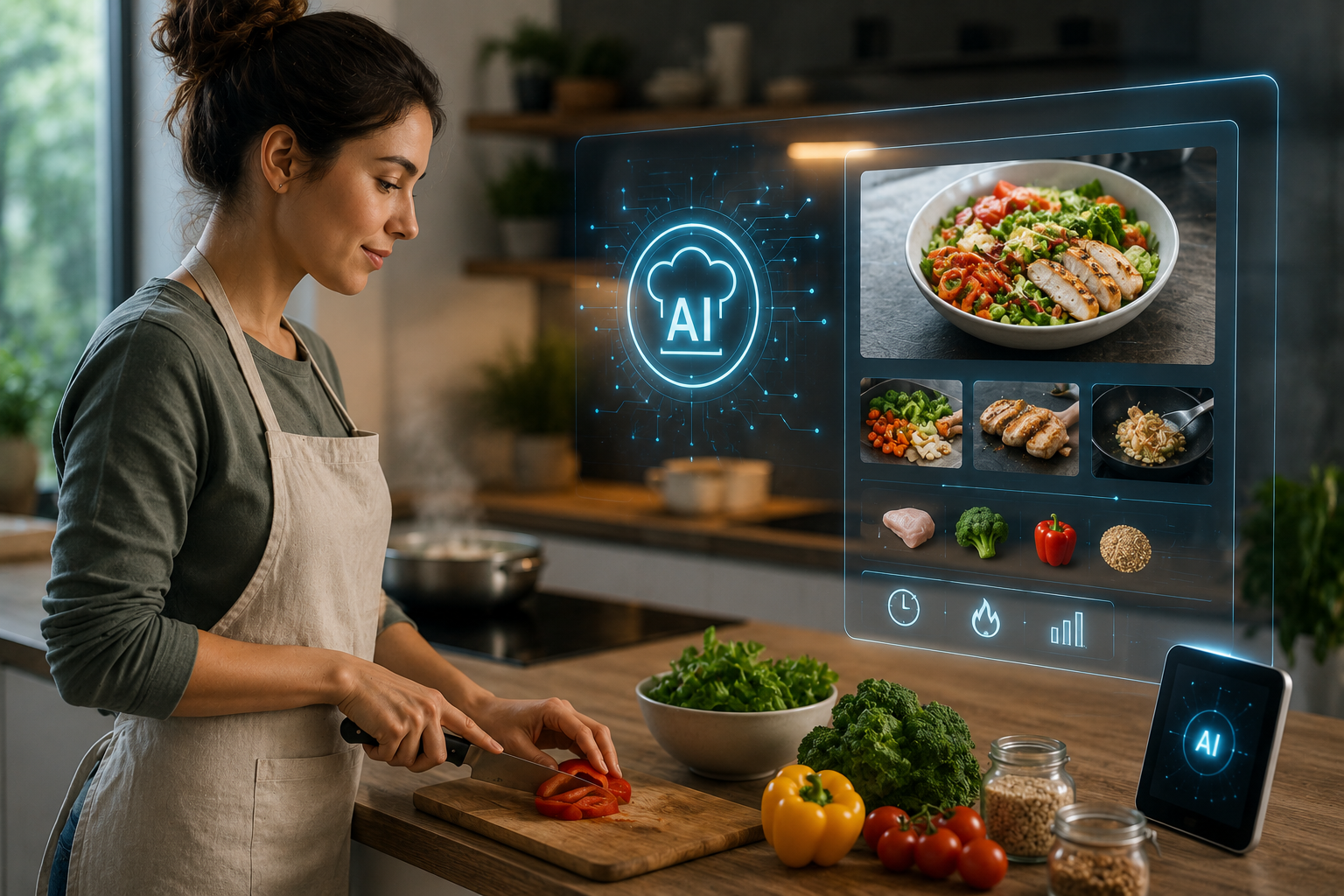
Maintaining a nutritious diet often feels like a full-time job. People understand the benefits of eating well, yet demanding work schedules and family responsibilities leave little room for extensive meal planning. Preparing balanced meals requires finding the right recipes, sourcing specific ingredients, and dedicating precious evening hours to chopping and cooking.
Artificial intelligence is fundamentally changing this dynamic by stepping into the role of a personalized digital sous-chef. By analyzing individual health goals and time constraints, AI applications remove the friction traditionally associated with home cooking. This technology provides targeted solutions that bypass the tedious aspects of food preparation.
Instead of staring blankly into an open refrigerator, individuals can now rely on AI to instantly generate a weeknight dinner plan using only the items already sitting on the shelves. This shift allows anyone, regardless of their culinary expertise or busy schedule, to consistently put healthy food on the table.
The Core Principles of Healthy Eating
Before technology can optimize a meal plan, it must align with established nutritional foundations. A balanced diet relies on proper portion control, mindful ingredient selection, and a strong mix of macronutrients. Incorporating lean proteins, complex carbohydrates, and healthy fats is essential for sustained energy and long-term health.
However, nutrition is highly individualized. A dietary approach that works perfectly for an athlete might not suit someone managing a medical condition like diabetes or celiac disease. Artificial intelligence excels at adapting these foundational health principles to meet specific, personalized dietary requirements. By utilizing advanced algorithms, AI maintains core nutritional standards while catering to individual health metrics and goals.
AI Recipe Generation and Customization
Finding the right dish to cook used to require flipping through cookbooks or scrolling past lengthy blog posts. Today, AI algorithms analyze a user’s dietary preferences, food allergies, and available pantry items to generate highly specific meal ideas. If a user inputs “spinach, chicken breast, and quinoa” into an AI recipe generator, the system instantly cross-references these ingredients against millions of culinary combinations.
This capability extends directly to comprehensive meal planning. AI platforms create weekly schedules that balance nutritional intake, prevent food waste, and adhere to strict caloric limits. If an individual needs to follow a low-sodium, gluten-free diet, the AI filters out incompatible ingredients automatically. This level of customization allows individuals to enjoy varied, healthy meals without the mental fatigue of cross-checking ingredient labels and nutritional charts.
Streamlining the Kitchen Experience with AI
The actual process of cooking is becoming significantly more intuitive thanks to smart kitchen integration. Modern cooking appliances now feature built-in AI that connects directly to recipe platforms. Smart ovens can automatically preheat to the exact temperature required by an AI-generated recipe, while intelligent stovetops adjust their heat to prevent burning.
Furthermore, AI-powered applications provide step-by-step cooking instructions with real-time adjustments. If a cook needs to substitute an ingredient mid-recipe, the AI instantly recalculates the required cooking time and nutritional profile. Voice-activated kitchen assistants read instructions aloud, allowing cooks to keep their hands free for chopping and stirring. This technological support reduces cooking errors and accelerates the entire preparation phase.
Smart Ingredient Sourcing and Shopping Lists
Grocery shopping is often the biggest hurdle to maintaining a healthy diet. AI removes this obstacle by generating optimized shopping lists based directly on customized meal plans. These systems analyze exactly what ingredients are needed for the week, check them against the user’s digital pantry inventory, and compile a precise list of required items.
This technology seamlessly integrates with online grocery delivery services. AI platforms can automatically populate a digital shopping cart, select preferred brands, and schedule a delivery time. By automating the sourcing process, AI prevents impulse purchases of unhealthy snacks and ensures that fresh, nutritious ingredients are always available when it is time to cook.
Navigating Challenges and Future Innovations
While the integration of AI in the kitchen offers substantial benefits, users must navigate a few valid concerns. Privacy is a significant consideration, as AI meal planners require access to personal health data, dietary restrictions, and household habits. Users should select platforms with robust data encryption and transparent privacy policies. Additionally, there is a risk of over-reliance on technology, which could prevent amateur cooks from developing fundamental, intuitive culinary skills.
Looking ahead, the future of food preparation holds exciting possibilities. Advanced nutritional analysis will soon allow AI to adjust recipes based on a user’s real-time biometric data, collected from wearable health monitors. Predictive cooking algorithms will anticipate a user’s cravings and nutritional deficiencies, suggesting the exact meal needed to restore balance before the user even realizes they are hungry.
A Healthier and Smarter Kitchen for Everyone
Artificial intelligence is successfully dismantling the barriers that prevent people from eating well. By automating recipe discovery, customizing meal plans, and streamlining the grocery shopping experience, AI makes healthy cooking accessible to even the busiest individuals.
The kitchen of the future is not about replacing the joy of cooking, but rather removing the stress of planning and preparation. As these technologies continue to evolve, integrating an AI assistant into your daily culinary routine is a practical step toward achieving long-term health and wellness goals.
FAQs
1. How does AI know what ingredients I have in my kitchen?
AI platforms track your inventory through manual user input, barcode scanning via smartphone cameras, or by integrating with smart refrigerators equipped with internal cameras. You can quickly tell the AI what you have, and it will generate recipes utilizing those specific items.
2. Can AI accommodate severe food allergies?
Yes. AI recipe generators use strict filtering algorithms to exclude specific allergens. Users input their restrictions during the initial profile setup, and the system automatically eliminates any recipes containing those ingredients, offering safe substitutions instead.
3. Are AI-generated recipes actually healthy?
AI uses established nutritional databases to formulate recipes. You can set specific parameters—such as macronutrient targets, calorie limits, or dietary styles like keto or Mediterranean—and the AI will generate meals that strictly adhere to those defined health metrics.
4. Do I need expensive smart appliances to use AI for cooking?
No. While smart ovens and intelligent refrigerators enhance the experience, anyone can utilize AI recipe generation and automated meal planning using just a standard smartphone or computer.
5. Will using AI make grocery shopping pricier?
AI actually helps reduce grocery bills. By generating precise shopping lists based on exact recipe requirements, the system reduces food waste and prevents unnecessary impulse purchases, ultimately saving users money on their weekly grocery runs.